Deadrise
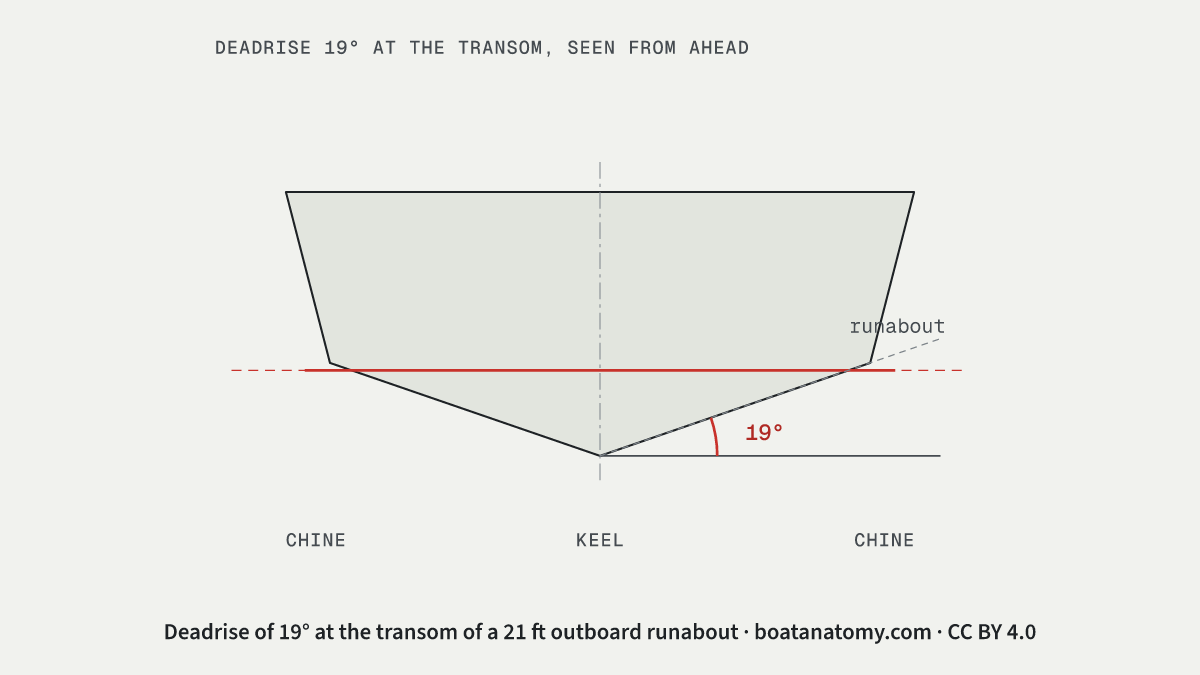
Short answer: Deadrise is the angle between the bottom of a hull and a horizontal line, seen in cross-section. It usually changes along the boat, so a figure means little without its station; specifications usually quote the angle at the transom.
Flat bottom at 0° Modified V in between Deep V over 20°
Bands as BoatUS and industry guides describe them, measured at the transom.
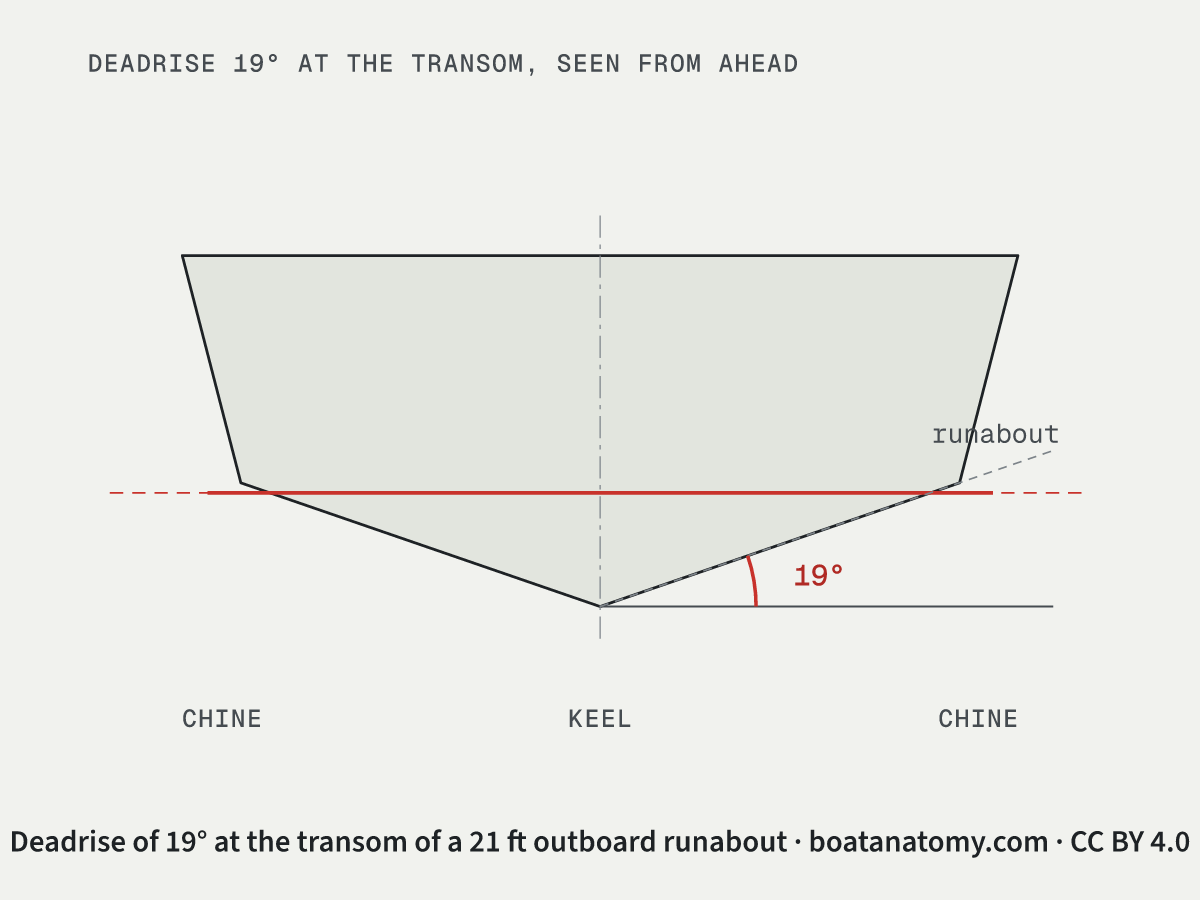
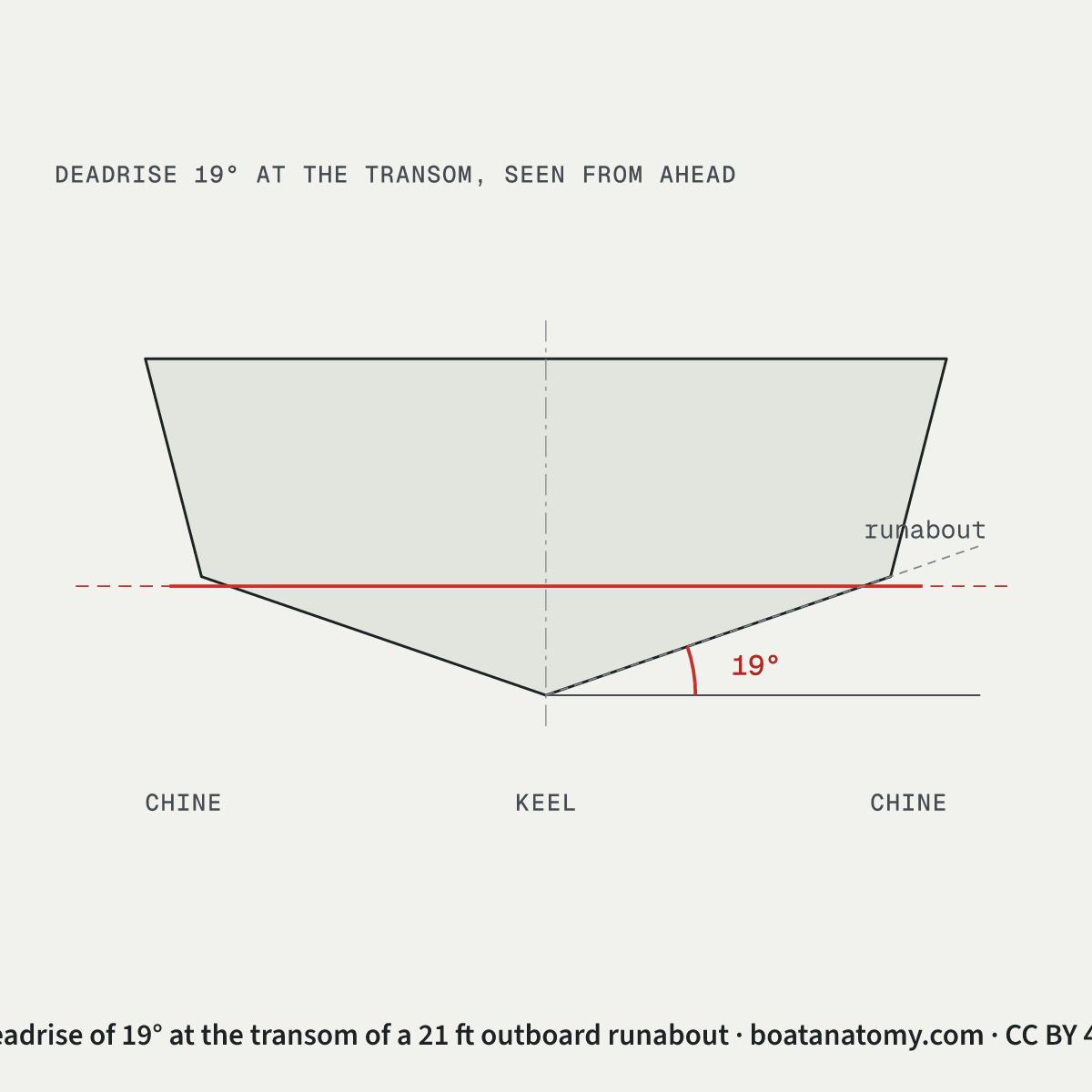
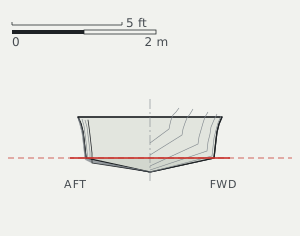
Turn on JavaScript to move the angle. The drawing shows 19°.
V bottom, seen from ahead 0° to 24° Checked
The dashed line shows the site's 21 ft runabout at the station you pick. Quote a deadrise angle with its station: the same hull has a different angle at each one.
Four hulls, three views, one scale
4 hulls Every hull at one scale Checked
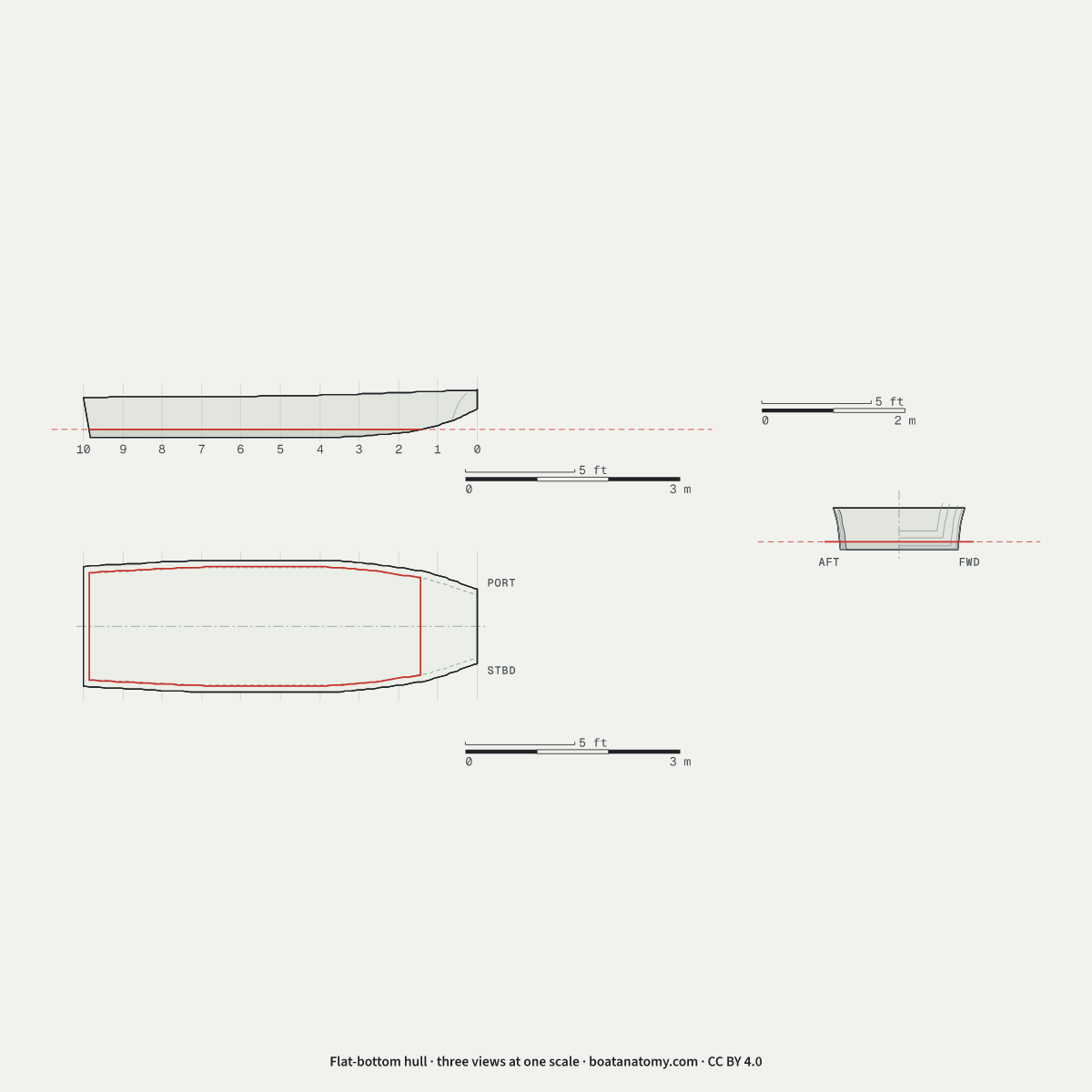
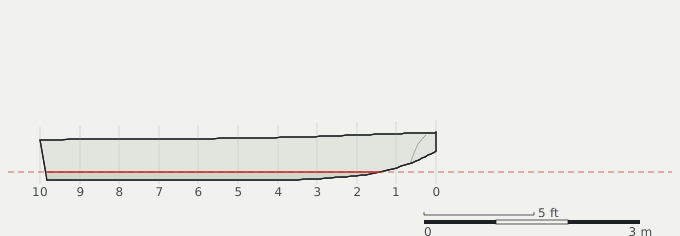
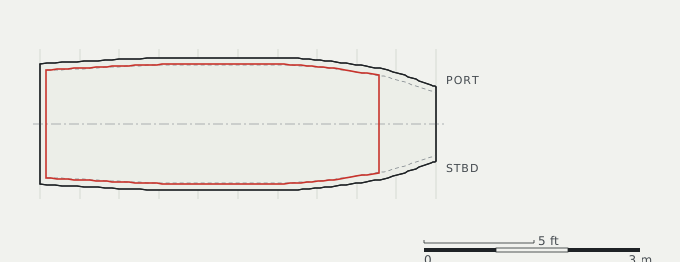
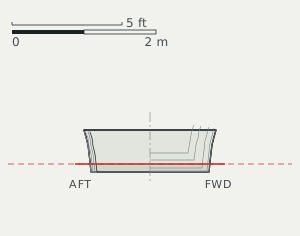
Flat-bottom hull
A flat-bottom hull has a bottom that is flat, or nearly so, from side to side, meeting the sides at a hard chine.
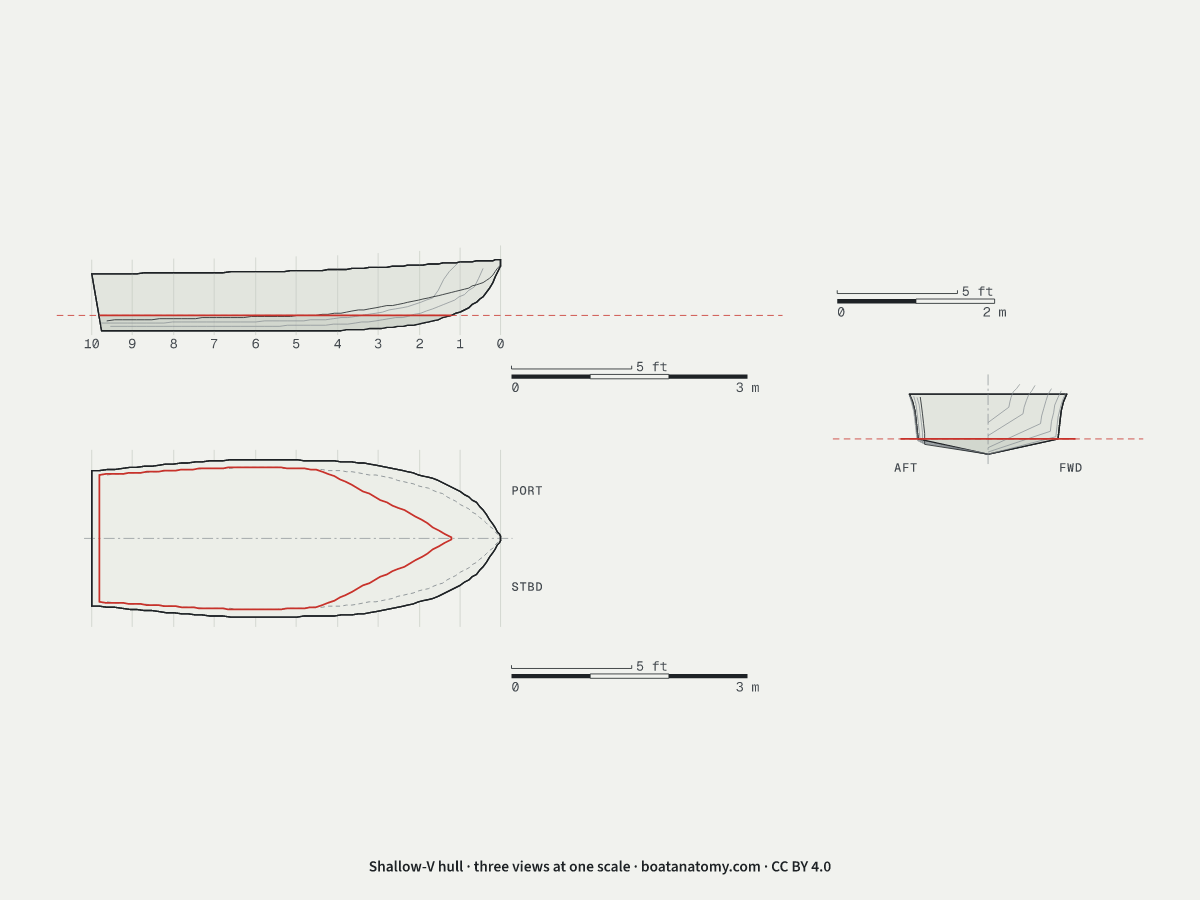
Shallow-V hull
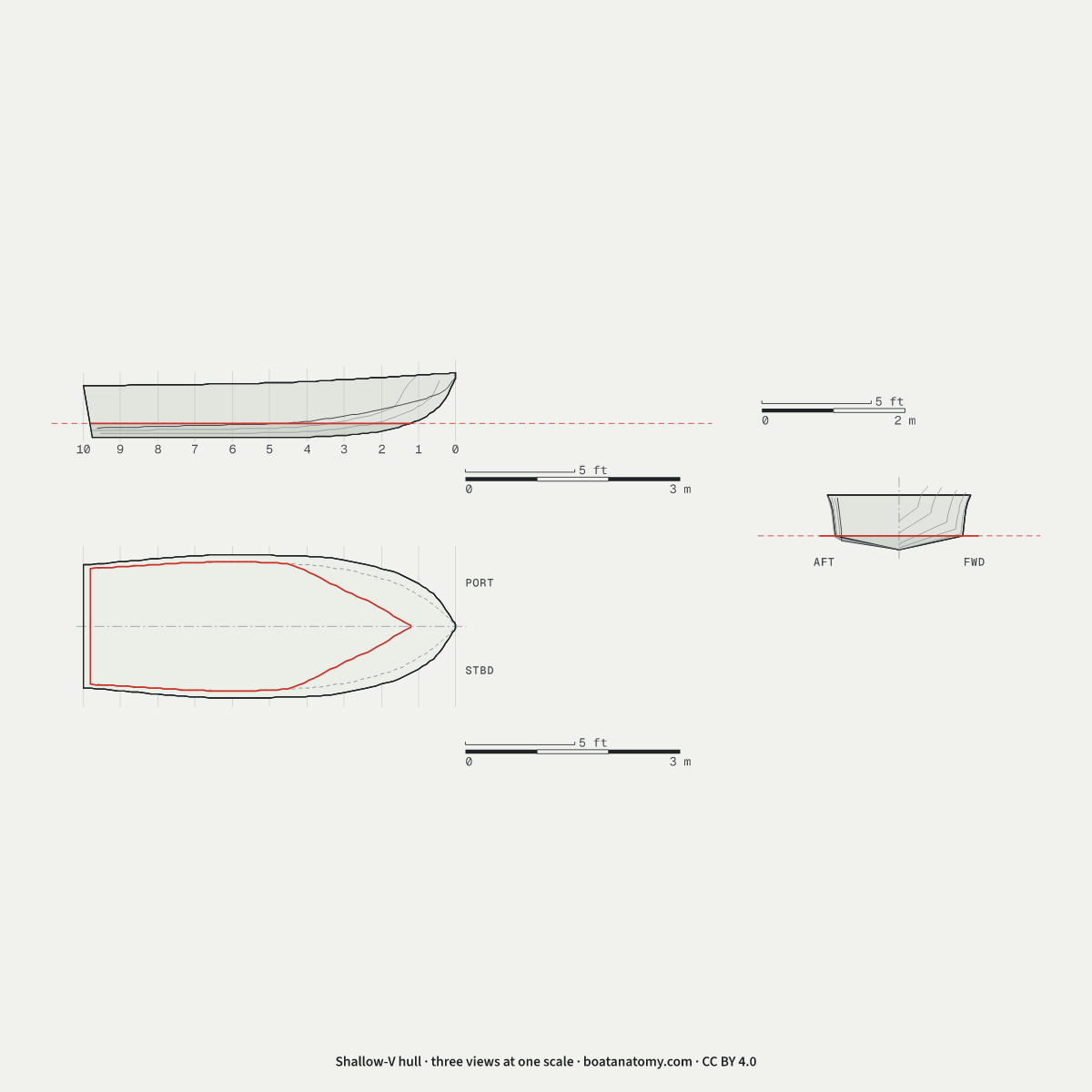
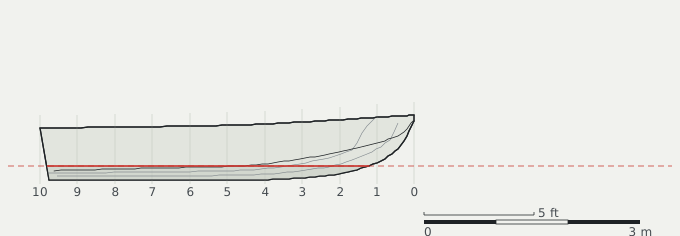
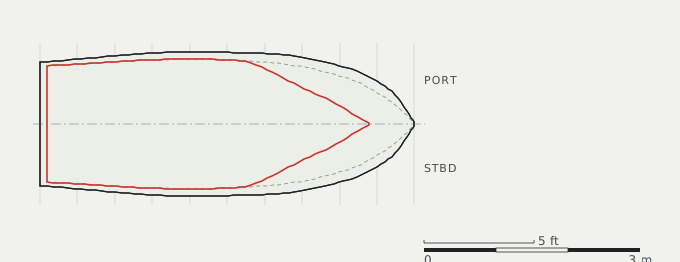
A shallow-V hull has a V-shaped bottom with only a small deadrise angle.
Modified-V hull
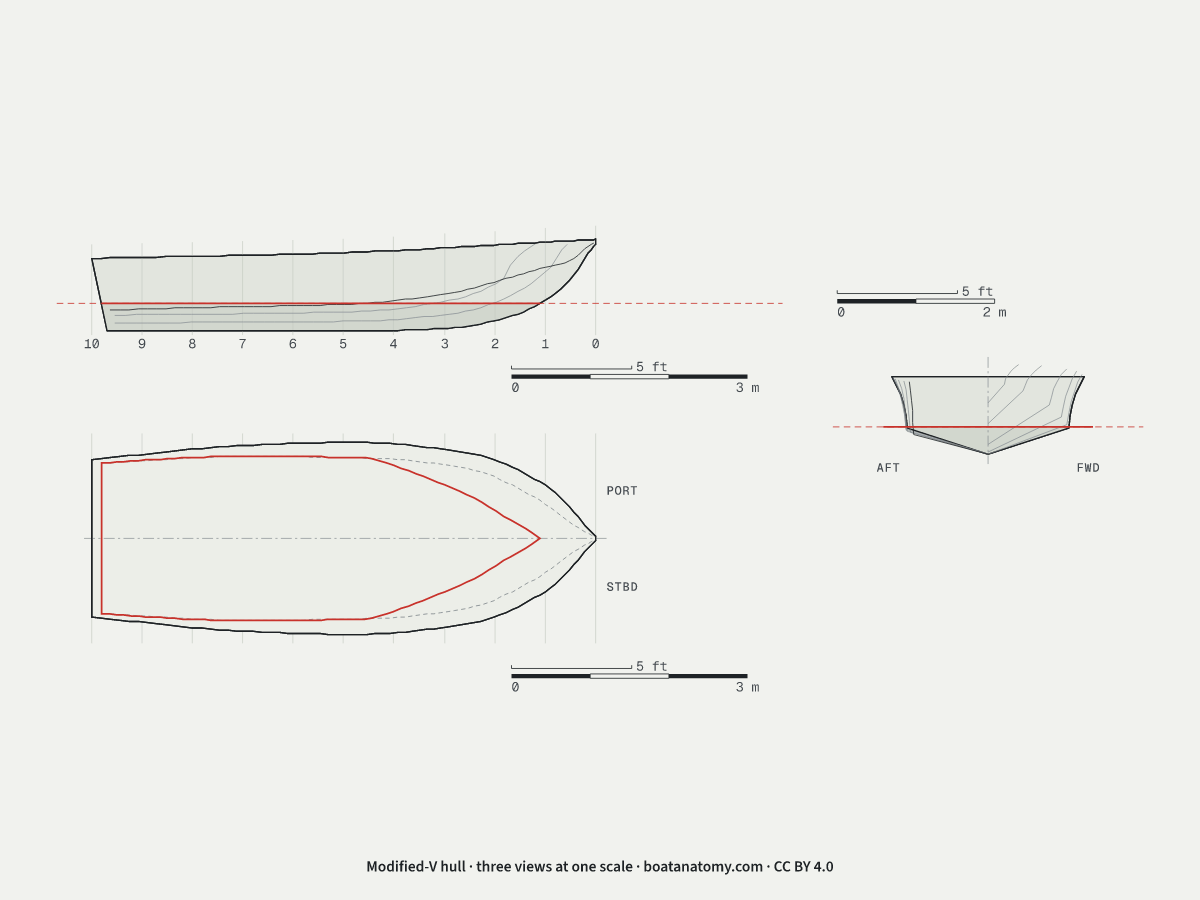
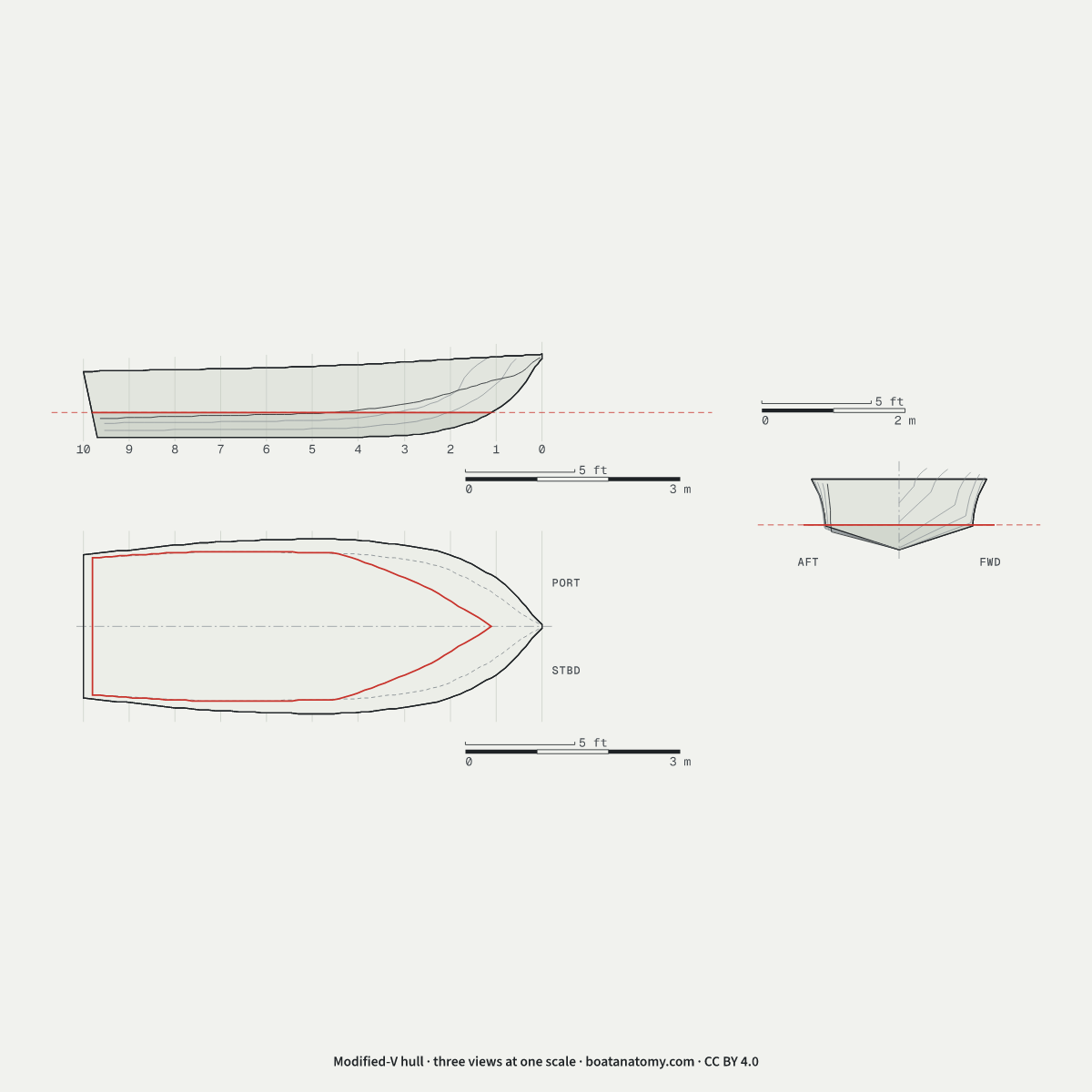
A modified-V hull has a V bottom with less deadrise at the transom than a deep V, somewhere between a flat bottom and a deep V.
Deep-V hull
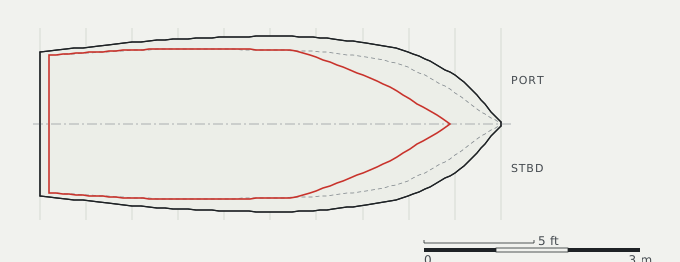
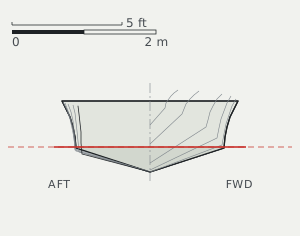
A deep-V hull keeps a steep V along the whole bottom; BoatUS and industry guides usually describe it as having more than 20 degrees of deadrise at the transom.
Save these drawings as pictures
-
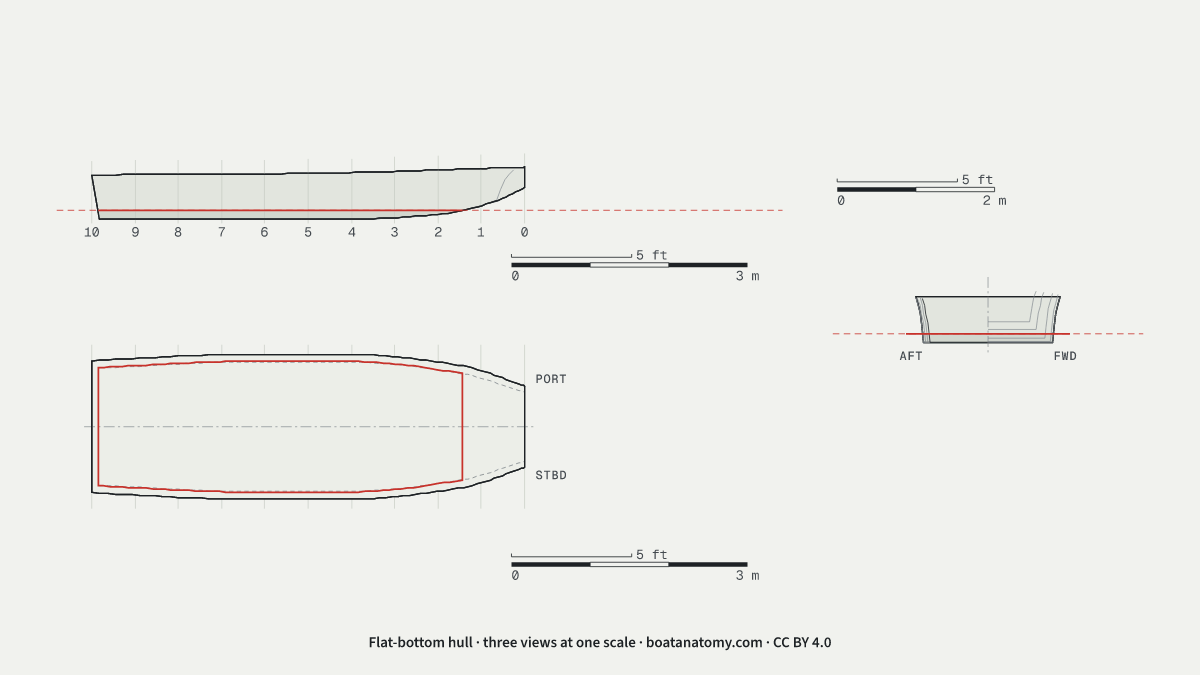
Flat-bottom hull 4:3 picture Square picture Side view From above Cross-section
-
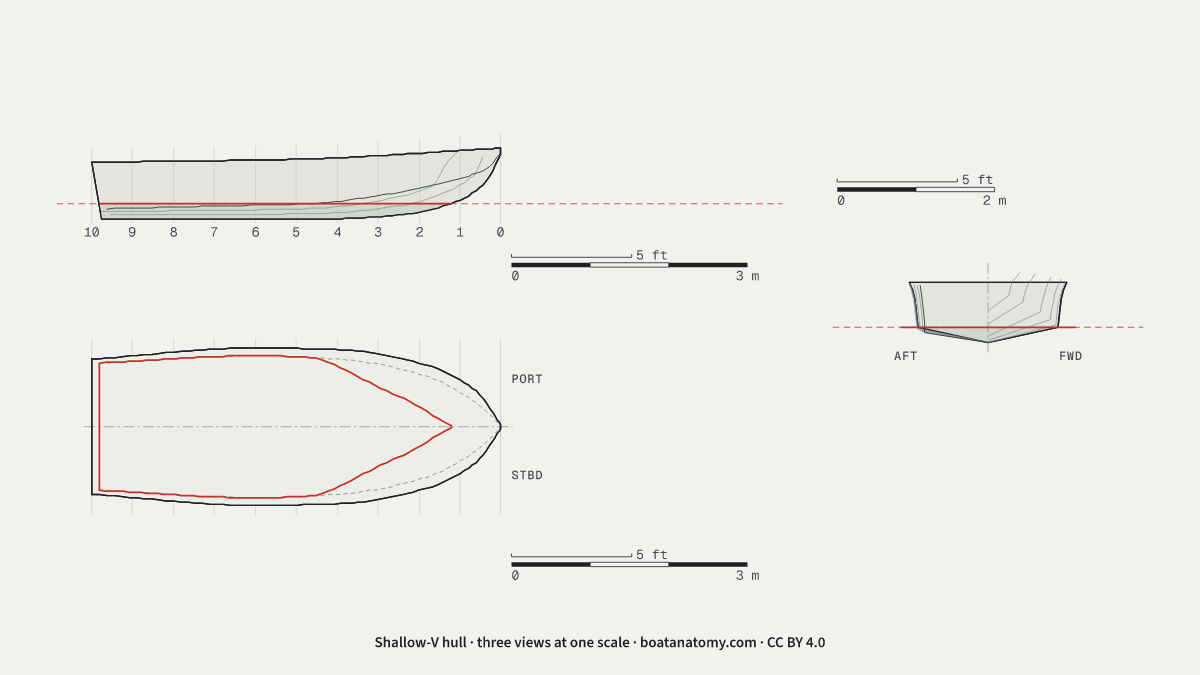
Shallow-V hull 4:3 picture Square picture Side view From above Cross-section
-
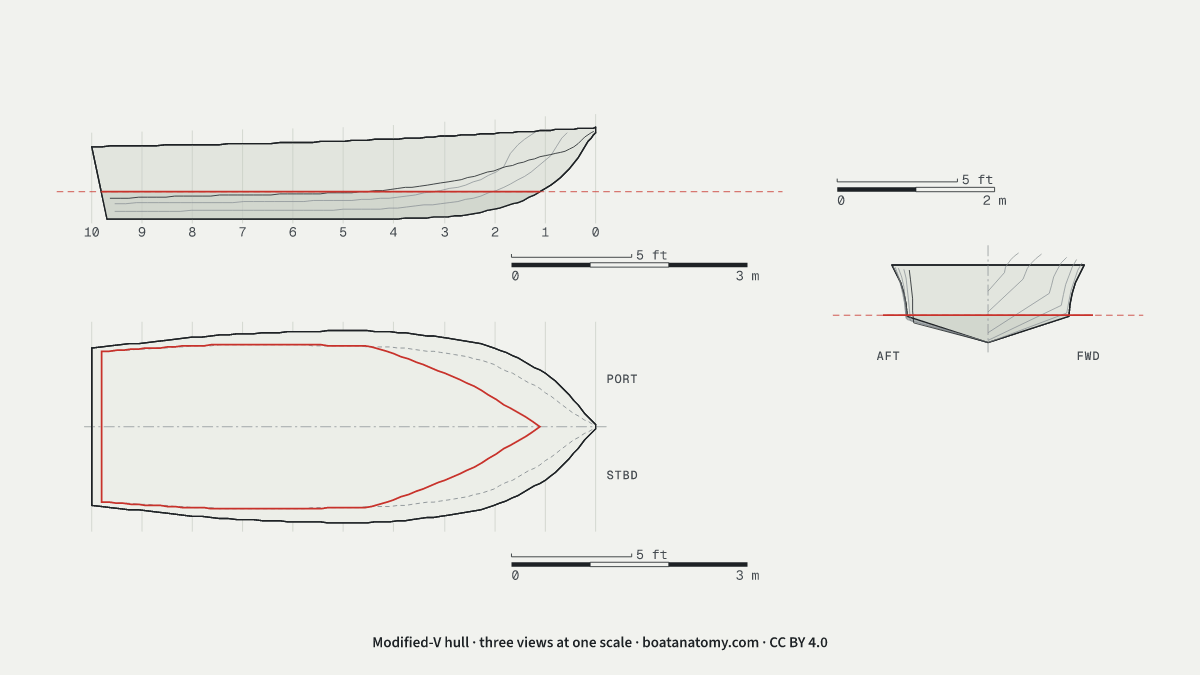
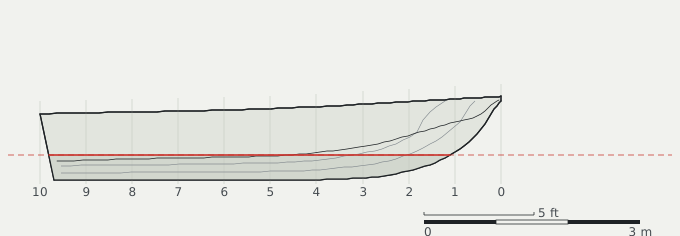
Modified-V hull 4:3 picture Square picture Side view From above Cross-section
-
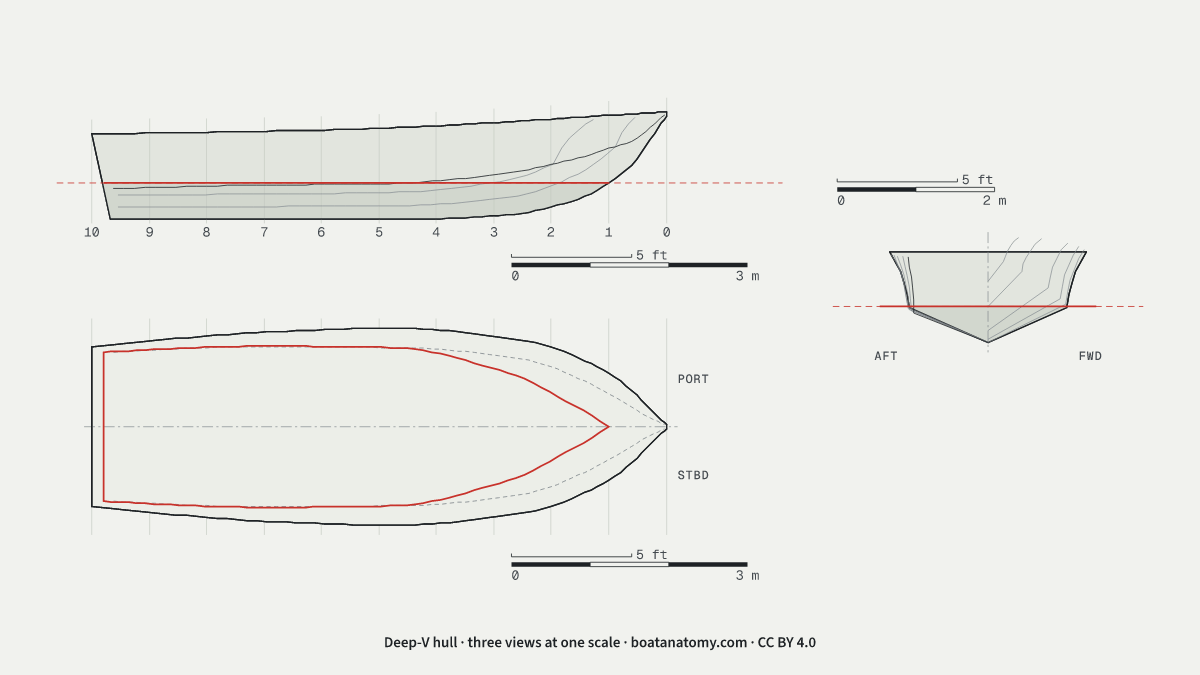
Deep-V hull 4:3 picture Square picture Side view From above Cross-section
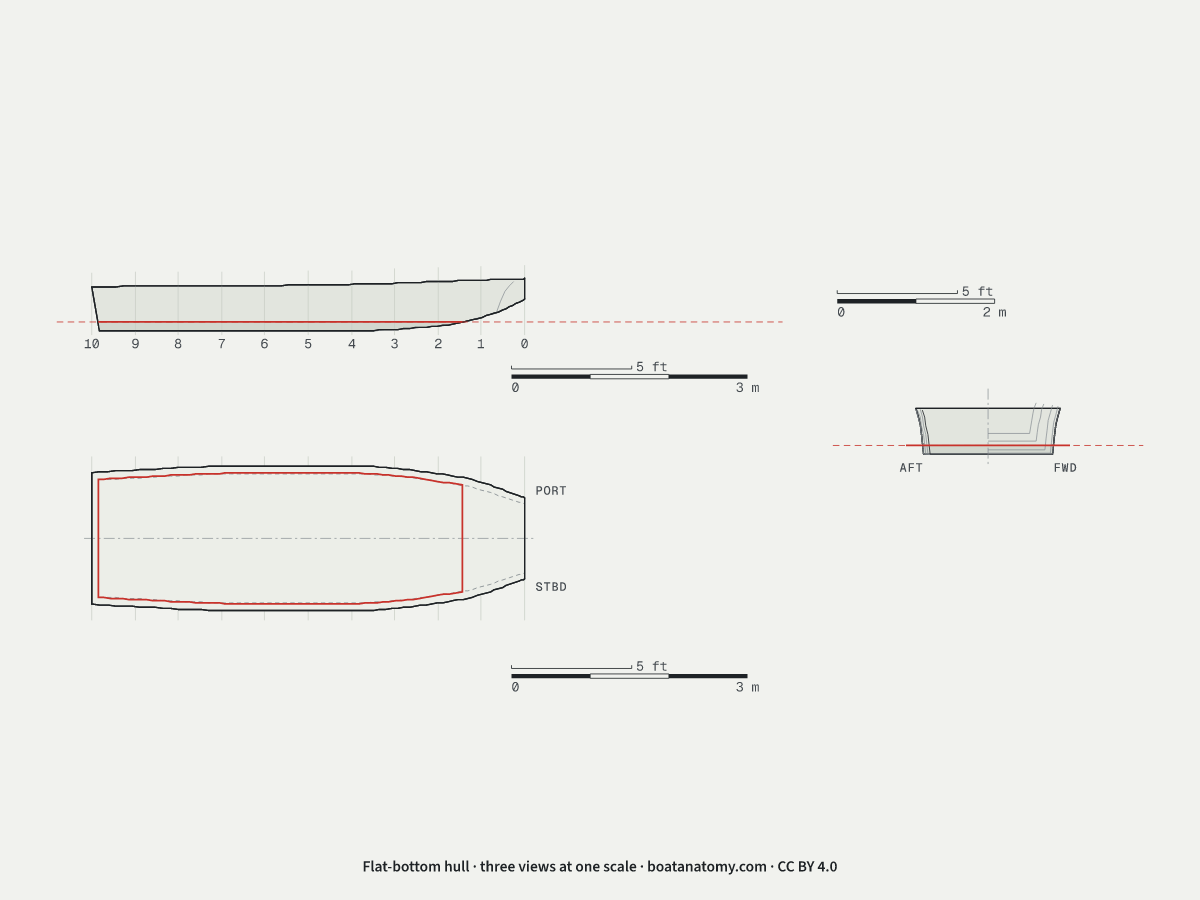
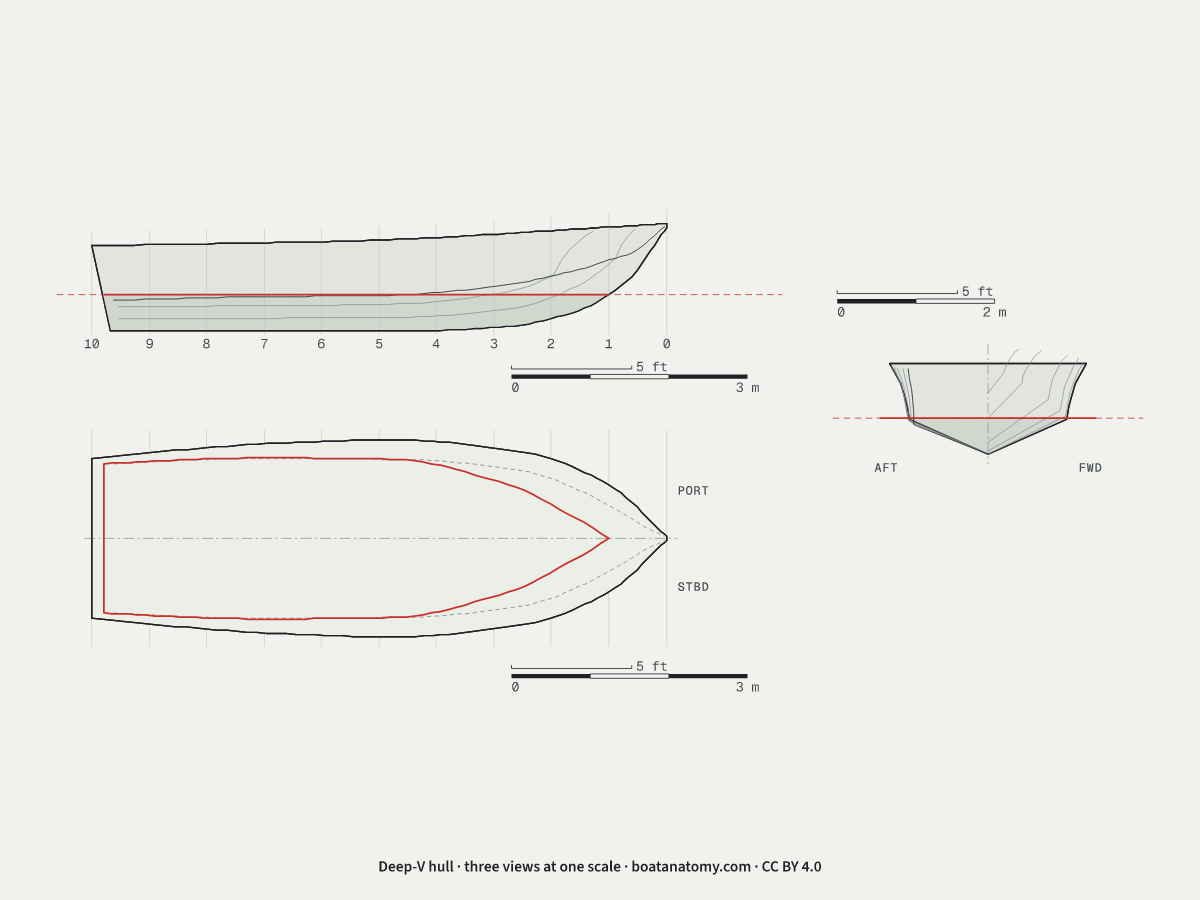
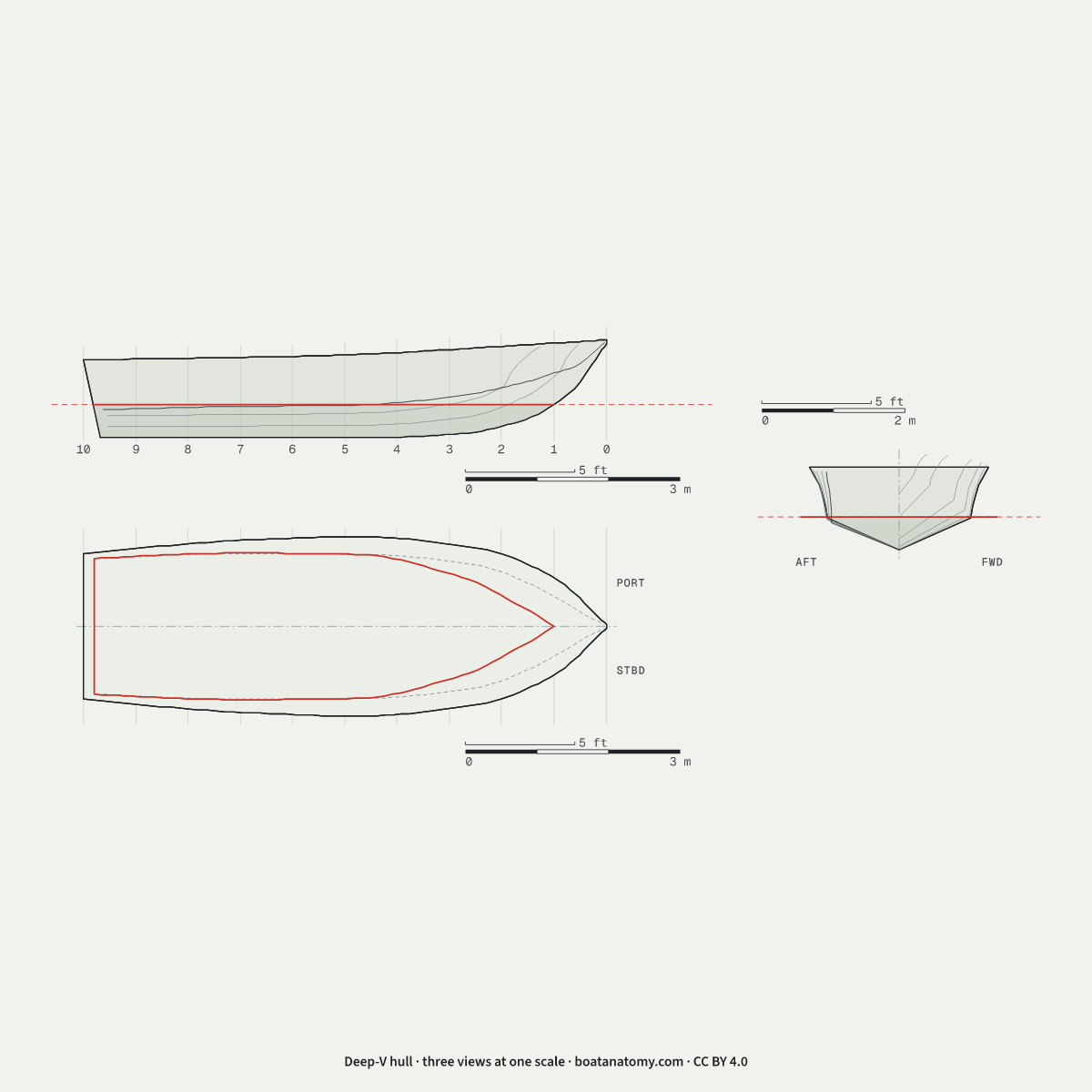
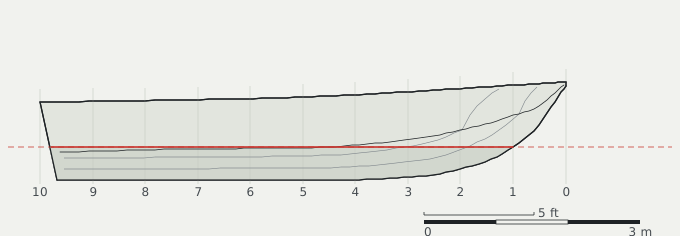
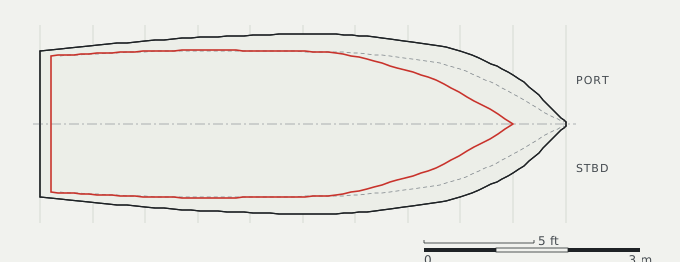
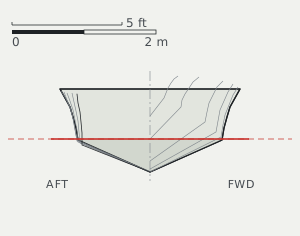
How the sources describe the trade-offs
Typical tendencies, as the cited sources describe them.
| Aspect | Lower deadrise (flatter bottom) | Higher deadrise (deeper V) |
|---|---|---|
| Ride in chop, per course guides | Tends to ride roughly | Tends to ride more smoothly |
| Power to get on plane, per an industry guide | Usually less | Usually a bit more |
| Slamming, per a BoatUS naval architect | No bottom shape to soften it | The V shape can reduce it |
| Lying at the dock, per the same writer | Not compared | Tends to be least comfortable |
Tendencies as the cited course providers, builders and magazines describe them. They are not measurements and may not hold for a particular boat.
Deadrise in more detail
Deadrise is the angle between the bottom of a hull and the horizontal, measured in a cross-section.
Always name the station
Deadrise usually changes along the hull, steepest toward the bow; a hull called constant deadrise keeps one angle over its after part. Variable deadrise names a bottom that is sharp at the bow and flattens toward the transom; one boating magazine calls that shape a warped plane. The atlas above shows how much the angle changes from one station to the next. The ITTC dictionary lists deadrise at midship and deadrise at the transom as separate quantities. When a spec sheet prints a single figure, boating writers say it is typically the transom angle. The atlas gives both stations for every hull, so a transom figure never gets read as the angle along the whole bottom.
The range
Industry guides and boating writers typically describe deadrise as zero or close to it on a flat bottom and as much as about 25 degrees at the transom of a deep V. A naval architect writing for BoatUS puts a deep-vee at more than 20 degrees, with a modified-vee between that and flat. The four hulls in the atlas step through that range at the same scale, so you can see what 0, 9, 15 and 22 degrees look like at the transom.
The trade-off, as sources describe it
Boating-course guides say a deep-vee hull tends to ride more smoothly than a flat bottom in rough water, and takes more power to move at the same speed. A flat bottom tends to use its whole surface for lift, with no shape left to soften slamming. The same BoatUS writer adds that a deep-vee tends to be most comfortable in a seaway and least comfortable lying at the fuel dock.
Those are tendencies of whole hulls at speed. Weight, speed, length, loading and the sea all change how a boat rides.
The other deadrise
On the Chesapeake Bay, a deadrise is also a V-bottomed workboat used by watermen, and Virginia law names it the official state boat. Everything else on this page is about the angle.
Common questions
What is a good deadrise for a boat?
No single deadrise angle is right for every boat. Course and industry guides describe a trade-off: more deadrise tends to soften the ride in chop and usually takes more power; less tends to ride harder and draws less water.
How is deadrise measured?
Deadrise is measured across the hull, from the keel out to the chine, as the angle the bottom makes with a horizontal plane. It usually changes along the hull, so the station matters; specifications usually quote the transom angle.
How many degrees is a deep-V hull?
A naval architect writing for BoatUS puts a deep-vee at more than 20 degrees of deadrise, with a modified-vee between that and flat.
What is the deadrise of a flat-bottom boat?
A flat-bottom boat has a deadrise of zero or close to it. Industry guides and boating writers describe the range as running from zero on a flat bottom to about 25 degrees at the transom of a deep-V.
What is variable deadrise?
Variable deadrise means a bottom whose deadrise is sharp at the bow and flattens toward the transom, rather than holding one angle along its length.